Real Life Stories

What changes when the inner work is done.

These are real accounts from real people. Names and details are shared with full permission. Each story reflects a different context – but the same pattern: when the internal foundation strengthens, everything built on top of it changes.

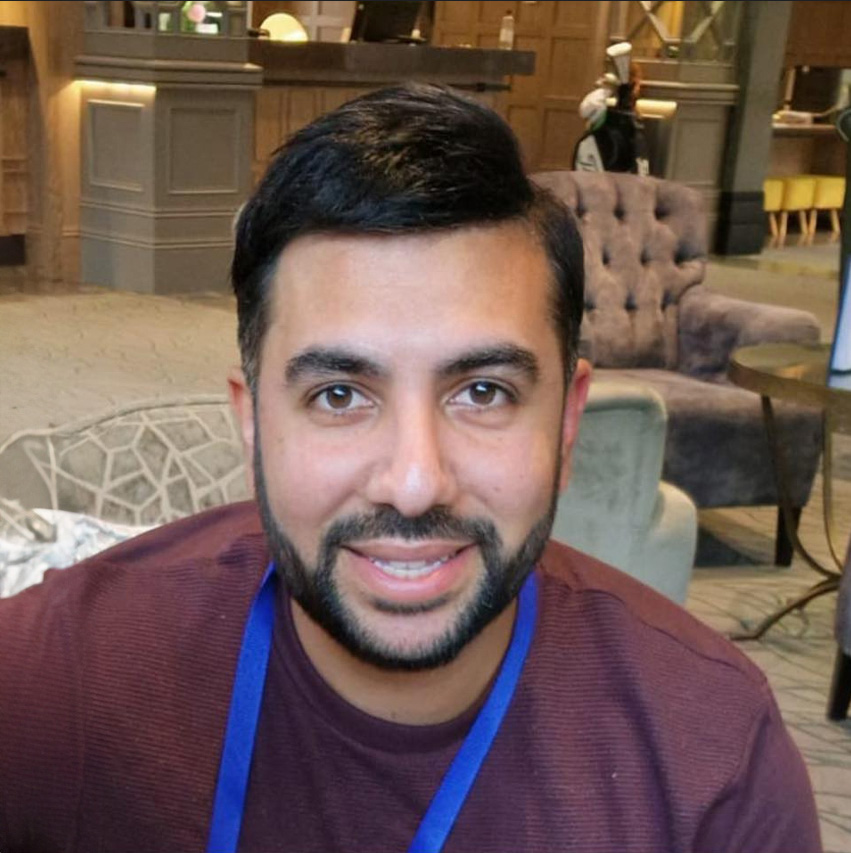
Physician & Co-Founder

Anand Patel

Dragons’ Den Winner

Kunal Dattani

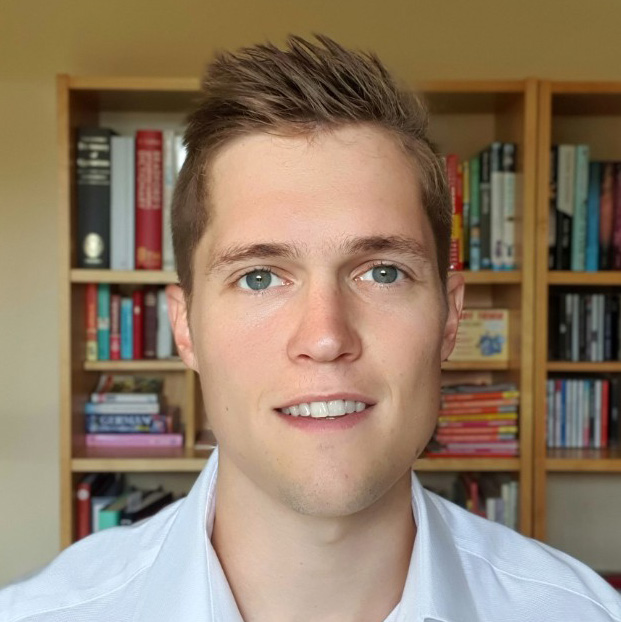
Ex-Investment Banker & CTO

Luke Priest

Story One

Anand Patel

Co-Founder, LV8 Health & Longevity Physician

Anand was a respected physician with a clear entrepreneurial vision. He wanted to build a longevity clinic focused on prevention, vitality, and long-term healthspan. Intellectually, he had the capability. Professionally, he had credibility. But internally, he was operating from subtle pressure. He compared himself to peers who appeared further ahead. He questioned his timing. He second-guessed decisions. The ambition was real, yet it was layered with doubt. To manage stress, he relied on alcohol socially and privately to take the edge off. Outwardly composed, inwardly he felt behind.

When we began working together, the work did not start with business planning. It started with strengthening the leader behind the venture. Anand examined the thinking patterns driving his hesitation: comparison, scarcity, and the need to feel ready before acting. Instead of reacting from those narratives, he began pausing before key decisions. He reduced behaviours that diluted his clarity. Alcohol fell away as he stopped using it as a pressure valve. He developed emotional steadiness under uncertainty. His decision-making became cleaner because it was no longer filtered through insecurity.

As his internal stability increased, his external leadership sharpened. Investor conversations improved because he presented with conviction rather than subtle need. He committed to timelines instead of endlessly refining ideas. Within months, he secured backing and formally launched LV8 Health. The business gained momentum, but more importantly, his leadership became consistent. He no longer oscillated between confidence and doubt. He operates with measured authority and his team experiences clarity rather than emotional fluctuation, whilst the business continues to expand internationally.

The result is a growing health venture built on conviction, not comparison — and a leader who can sustain performance without burning out.

Listen to Anand’s Podcast Interview

Story Two

Kunal Dattani

Dragons’ Den Winner & E-Commerce Entrepreneur

Kunal had already achieved what many founders aim for. He built and scaled a successful e-commerce company, secured investment on Dragons’ Den, and exited. Financially, he was successful. Externally, he had won. But internally, he was operating from constant pressure. The drive that built his business was fuelled by proving, urgency, and momentum. It delivered results, but it was not sustainable. Even after becoming a father, he felt anxious and restless rather than settled. Success had not created stability. It had exposed that his leadership was dependent on external validation.

When we began working together, the focus was not on strategy or scaling another company. It was to strengthen the operator behind the business. Kunal began examining the thinking patterns driving his decisions. He recognised how much of his ambition was reactive rather than intentional. Practically, this meant slowing key decisions rather than chasing the next opportunity. It meant separating self-worth from revenue. It meant removing alcohol as a coping mechanism and increasing clarity under pressure. Over time, his nervous system stabilised, his decision-making sharpened, and his leadership presence strengthened.

From that foundation, he built again. This time, the business model aligned with his values and long-term vision. He launched a lifestyle brand that has since scaled to seven figures in revenue. The difference was not just financial performance, but sustainability. He leads without volatility, he is more present at home, he makes fewer reactive decisions. His team experiences consistency rather than intensity spikes. The commercial results are strong, but more importantly, they are repeatable.

Kunal did not need another growth hack. He needed to upgrade the operating system behind his leadership. Once that stabilised, performance followed.

Listen to Kunal’s Podcast Interview

Story Three

Luke Priest

Ex-Investment Banker & CTO

Luke built his early career in investment banking before transitioning into technology and machine learning. He was highly analytical, intellectually capable, and ambitious. Yet despite his competence, he felt stuck. He described being overwhelmed by all the things he believed he should be doing, which prevented him from committing to any single direction. He consumed ideas, compared himself to high-profile entrepreneurs, and pressured himself to make a dramatic leap. The result was not progress but cognitive overload. His intelligence had become friction.

When we began working together, the objective was not reinvention. It was optimisation. Luke’s issue was not capability; it was decision architecture. He was attempting high-risk moves without stabilising his internal foundation. Instead, we reduced the scope. Daily five-to-ten-minute meditation became non-negotiable. This was not a spiritual exercise but a cognitive one. It exposed stress patterns, reactive thinking loops, and declining health signals he had previously ignored. He stopped chasing symbolic leaps and began making small, repeatable commitments he could execute consistently. His thinking became structured. His execution became disciplined.

From that stability, he made a calculated transition out of banking and built an IT consultancy specialising in applied machine learning. The difference was leverage. He focused on high-value work, removed unnecessary noise, and structured his time around deep technical problem solving rather than reactive busyness. He now works fewer hours than in finance, maintains comparable material output, and operates with significantly lower volatility. His performance is no longer driven by pressure but by clarity.

Luke did not require more knowledge. He required a repeatable internal framework that improved decision quality and reduced self-sabotage. Once that was in place, progress became steady, sustainable, and strategically aligned.

Listen to Luke’s Podcast Interview

Begin

When you are ready, this is where to begin

If you feel aligned with this work and would like to explore whether it is the right fit, you are welcome to reach out. Every enquiry is read personally. If there is alignment, we will take the next step together.

Enquire about Working Together